
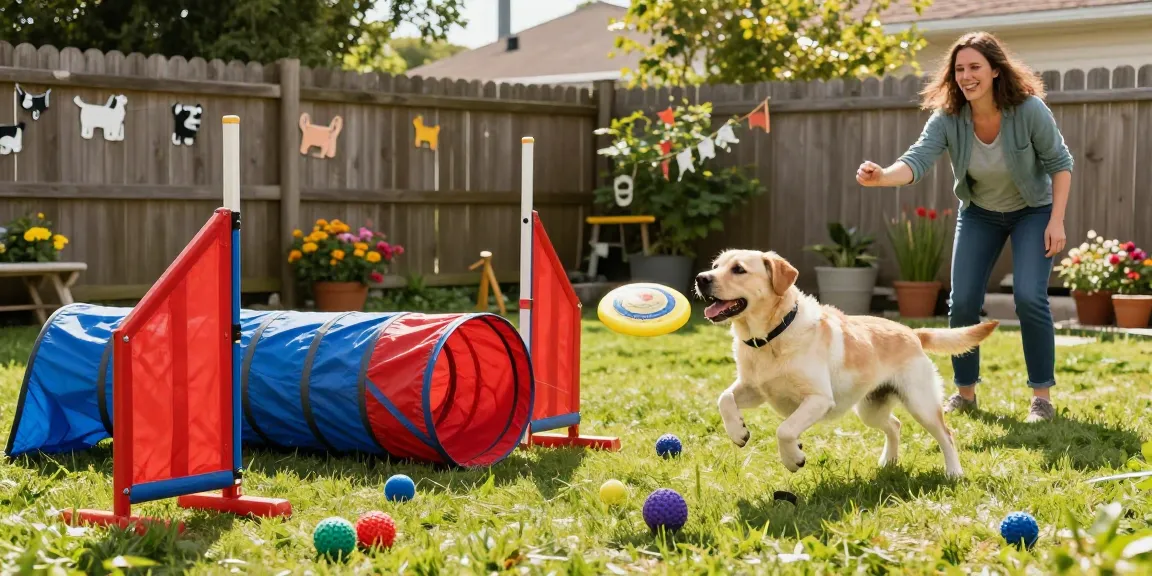
Understanding NAGA2000 in Pet Training
NAGA2000 represents a revolutionary approach in the field of pet training, designed to enhance the learning experience for pets and their owners. This method integrates behavioral science with practical techniques to ensure effective communication and training outcomes. As pet owners increasingly seek lasting solutions to common behavioral issues, understanding the foundational aspects of NAGA2000 becomes essential. When exploring options, NAGA2000 provides comprehensive insights that can significantly improve your training journey.
What is NAGA2000?
NAGA2000 is an innovative training methodology rooted in the principles of behavioral analysis. It emphasizes positive reinforcement techniques, encouraging pets to exhibit desired behaviors without the use of negative stimuli or punishment. Developed through extensive research in animal psychology, NAGA2000 aims to create a structured yet flexible training environment that adapts to various learning styles of pets.
Historical Context and Development
The origins of NAGA2000 can be traced back to earlier training philosophies that focused on positive reinforcement, such as operant conditioning. Over the years, experts recognized the limitations of traditional methods that heavily relied on corrections and aversive techniques. The development of NAGA2000 in the early 2000s marked a pivotal shift towards a more humane approach, integrating the latest findings in cognitive science to address both common and complex behavioral issues in pets.
Core Principles of NAGA2000
At its core, NAGA2000 is built on several key principles:
- Positive Reinforcement: Rewarding pets for displaying desired behaviors rather than punishing them for undesired actions.
- Consistency: Establishing clear, consistent cues and rules to avoid confusing the pet.
- Adaptability: Tailoring training strategies to fit individual pet personalities and learning styles.
- Engagement: Keeping training sessions fun and interactive to maintain a pet’s interest and motivation.
Benefits of Implementing NAGA2000 Techniques
Utilizing NAGA2000 techniques can lead to numerous advantages for both pets and their owners, transforming the training experience into a more rewarding endeavor.
Enhancing Pet Engagement and Learning
One of the primary benefits of NAGA2000 is its ability to boost engagement levels in pets. Since this methodology focuses on positive reinforcement, pets are more likely to participate actively during training sessions. This leads to a greater retention of learned behaviors, as pets associate training with enjoyable experiences.
Long-term Behavioral Improvements
Training through NAGA2000 not only addresses immediate behavioral issues but also contributes to long-lasting changes in a pet’s behavior. Dogs, cats, and other pets trained using these principles often display enhanced socialization skills, reduced anxiety, and improved responsiveness to owner commands. Such long-term changes create a more harmonious living environment.
Creating a Stronger Bond with Your Pet
The NAGA2000 approach fosters a deeper connection between pets and their owners. By emphasizing mutual respect and understanding through positive interactions, owners can develop trust and affection. This bond is invaluable, as it helps to foster an enriching relationship that extends beyond training sessions.
Common Challenges with NAGA2000 Training
While the benefits of NAGA2000 are significant, it is crucial to acknowledge the potential challenges that pet owners may encounter.
Addressing Misconceptions About NAGA2000
One common misconception is that positive reinforcement is an ineffective training method, often perceived as merely giving treats. However, NAGA2000 extends beyond this simplistic view by incorporating a variety of rewards, including praise and play, ensuring that learning remains holistic and comprehensive.
Overcoming Training Obstacles
Every pet is unique, and some may initially struggle with NAGA2000 techniques. Consistency and patience are vital. Owners are encouraged to observe their pets closely and adjust techniques as needed. This adaptability is a core principle of NAGA2000, which can alleviate many training obstacles encountered.
Troubleshooting Common Behavioral Issues
Behavioral issues such as barking, chewing, or aggression can be understandably frustrating. By employing NAGA2000 principles, owners can address these problems effectively through targeted training. It is essential to identify the underlying reasons for these behaviors, often linked to boredom, anxiety, or lack of exercise, and to design a training plan that mitigates these triggers.
Best Practices for Effective NAGA2000 Training
To capitalize on the benefits of NAGA2000, following best practices is key. Here’s how to implement this training methodology effectively.
Step-by-Step Training Guides
Begin each training session with clear objectives. For each command or behavior, break it down into manageable steps. For example, when teaching a dog to “sit”, start by rewarding them for simply lowering their bottom, gradually increasing the criteria for rewards as they progress.
Utilizing Positive Reinforcement
Incorporate various forms of rewards to keep sessions engaging. Use treats, praise, or toys, depending on what motivates your pet the most. Varying rewards can help maintain interest and enthusiasm during training sessions.
Measuring Progress and Success
Establish benchmarks to track your pet’s progress. Celebrate small victories to encourage continued effort and engagement. Keeping a training journal may also help you identify trends in behavior and areas needing more focus.
The Future of NAGA2000 in Pet Training
As we look toward 2026, NAGA2000 is set to evolve further, integrating new insights and technologies into its methodology.
Emerging Trends and Innovations for 2026
We can expect an increase in the use of mobile apps and digital platforms to assist pet owners with training. These technologies will likely provide tailored training plans, behavior tracking, and virtual consultation options with canine behaviorists.
Expert Predictions for Training Techniques
Experts foresee a continued shift towards science-backed training techniques. NAGA2000 will likely incorporate a larger emphasis on mental stimulation games and enrichment activities, recognizing the importance of cognitive health in pets.
Integrating Technology into NAGA2000 Practices
Technology will play a pivotal role in enhancing the effectiveness of NAGA2000. Innovations such as augmented reality could offer interactive training experiences, while wearable devices might track a pet’s behavior in real-time, providing feedback for owners to adapt their training techniques accordingly.
What are the key elements of NAGA2000?
The core elements include positive reinforcement, consistency, adaptability, and engagement. These principles guide pet owners in creating effective training environments that foster learning.
How can I overcome training challenges?
To overcome challenges, it’s essential to observe your pet’s responses, remain consistent, be patient, and adjust training methods as needed. Keeping training sessions short and positive can also mitigate frustration.
What are the benefits of using NAGA2000?
Benefits include enhanced engagement, long-term behavioral improvements, and the creation of a stronger bond between the pet and owner, making the training process enjoyable and effective.
What trends should I watch for in pet training?
Watch for increased integration of technology, such as mobile training apps and virtual resources, along with continued emphasis on science-backed, positive reinforcement methods.
How does NAGA2000 improve pet-owner relationships?
NAGA2000 improves relationships by fostering trust and understanding between pets and owners. Through positive interactions and effective communication, both parties can enjoy a rewarding and harmonious companionship.