
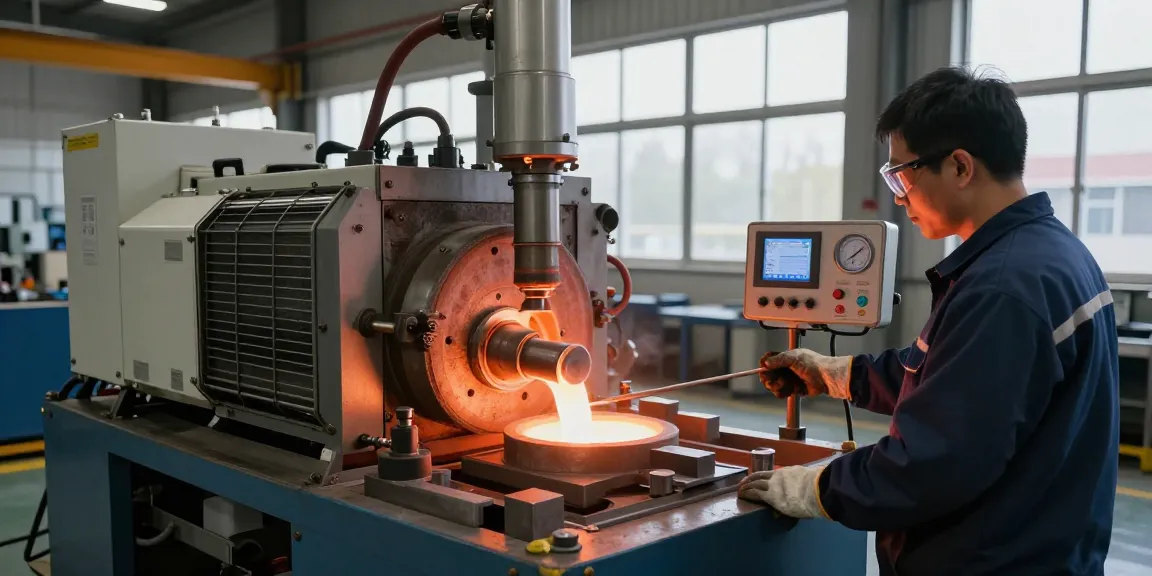
The Evolution of Induction Furnaces
Induction furnaces have transformed the landscape of metal processing, offering unparalleled efficiency and precision. The rise of these advanced heating solutions can be traced back to their foundational principles in electromagnetic induction, a concept that has seen significant evolution over the last century. Today, with breakthroughs in technology and materials science, induction furnaces are not only a choice but a necessity for many industries seeking to enhance their operational capabilities.
History and Development of Induction Heating
The journey of induction heating began in the late 19th century when pioneers like Nikola Tesla and Michael Faraday laid the groundwork for electromagnetic induction. Early systems were rudimentary, focused mainly on laboratory experiments and small-scale applications. In the 1920s, with advancements in electrical engineering, commercial induction furnaces began to emerge, primarily used for melting metals in foundries.
As industries grew, so did the demand for more efficient heating methods. The introduction of high-frequency induction power supplies in the 1950s allowed for more precise control over heating processes, significantly improving the quality of molten metals. By the 1980s, innovations such as solid-state technology made induction furnaces more reliable and versatile, paving the way for their widespread adoption in modern manufacturing.
Key Innovations Leading to Modern Induction Furnaces
Modern induction furnaces are characterized by several key innovations that enhance their functionality. Notably, the integration of digital PID (Proportional-Integral-Derivative) controllers has enabled precise temperature regulation within ±1°C. Coupled with advanced inverter technology, these systems allow for real-time adjustments in power and frequency based on the load, ensuring uniform heating and eliminating hotspots.
Moreover, the introduction of modular designs has made it easier to customize systems according to specific industrial needs. Equipment can be tailored for various applications, from small-scale operations in laboratories to heavy-duty production lines in large manufacturing settings.
Current Trends in Induction Furnace Technology
As we approach 2026, several trends are beginning to shape the future of induction furnace technology. Energy efficiency remains a top priority, with ongoing research focused on maximizing energy conversion rates. The latest induction furnaces can achieve up to 95% energy efficiency, significantly reducing operational costs while minimizing environmental impact.
Additionally, there is a growing emphasis on automation and digitalization within manufacturing processes. Induction furnaces are increasingly integrated into smart manufacturing systems that leverage IoT (Internet of Things) technologies, allowing for better monitoring, maintenance, and analytics.
Understanding Induction Furnaces
To truly appreciate the capabilities of induction furnaces, it is essential to grasp the principles and components that make them work. The term induction furnace is often used interchangeably with induction heating systems, but the underlying technology involves specific functionalities that distinguish them from traditional furnaces.
Basic Principles of Induction Heating
Induction heating operates on the principle of electromagnetic induction, where an alternating current passes through a coil, creating a magnetic field. When a conductive metal is placed within this field, electrical currents (known as eddy currents) are induced, generating heat within the metal itself. This non-contact heating method offers significant advantages, including rapid heating times and high energy efficiency.
Components of an Induction Furnace
An induction furnace typically comprises several key components:
- Induction Coil: The essential part that generates the magnetic field.
- Power Supply: Converts and regulates electrical energy for the coil.
- Crucible: Holds the metal being melted, often made from heat-resistant materials.
- Cooling System: Maintains the temperature of the induction coil to prevent overheating.
- Control System: Allows for precise monitoring and adjustments to the heating process.
Benefits of Using Induction Furnaces in Metal Processing
The advantages of induction furnaces are numerous and compelling:
- High Efficiency: Induction heating minimizes energy loss, with conversion rates often exceeding 95%.
- Improved Quality: Uniform heating reduces the risk of defects in the final products.
- Environmentally Friendly: The absence of combustion means fewer emissions and a cleaner operational environment.
- Rapid Heating: Shorter cycle times lead to increased production efficiency.
- Safety: Reduced risk of burns and fires due to the non-contact nature of the heating process.
Applications of Induction Furnaces
Induction furnaces have a broad range of applications across various industries, underscoring their versatility and efficiency. From metal melting to heat treatment processes, these systems cater to diverse manufacturing needs.
Industries Using Induction Furnaces
Several sectors benefit significantly from the use of induction furnaces:
- Metallurgy: Crucial for melting and alloying different metals.
- Aerospace: Used for manufacturing components that require high strength-to-weight ratios.
- Automotive: Essential in producing engine parts and other critical components.
- Jewelry: Induction heating simplifies the melting and casting of precious metals.
- Tool Manufacturing: Induction hardening improves the durability of tools.
Common Uses in Metal Melting and Heat Treatment
Induction furnaces are employed in various processes, including:
- Metal Melting: Efficiently melts metals like aluminum, copper, and precious metals.
- Brazing: Ideal for joining different metal parts without losing structural integrity.
- Quenching: Used in heat treatment to enhance the hardness of metals.
- Forging: Facilitates the reshaping of metals under high temperatures.
Custom Solutions for Specific Manufacturing Needs
Every manufacturing process is unique, and KEXIN Induction Heater recognizes the need for tailored solutions. Customization options may include:
- Coil Design: Specific coil configurations can be designed for different parts and processes.
- Power Modules: Modular power racks can be adjusted to accommodate varying production scales.
- Integration with Existing Systems: Induction heating can be seamlessly integrated into existing workflow systems for enhanced efficiency.
Operational Efficiency and Safety
In the modern industrial landscape, operational efficiency comes hand in hand with safety. Induction furnaces exemplify this balance, providing robust operational frameworks while ensuring the safety of workers and equipment.
Energy Efficiency in Induction Furnaces
One of the most notable features of induction furnaces is their exceptional energy efficiency. With up to 95% of the electrical energy converted into usable heat, industries can drastically reduce their energy costs. Additionally, rapid heating and cooling cycles decrease the time required for production, further enhancing overall efficiency.
Safety Features and Protocols in Modern Equipment
Modern induction furnaces come equipped with advanced safety features, including:
- Over-Temperature Protection: Prevents overheating and potential damage.
- Over-Current Protection: Safeguards against electrical surges that can harm equipment.
- Coil Fault Detection: Alerts operators to potential issues with the induction coil.
- Safety Interlocks: Ensures that the furnace operates only under safe conditions.
Best Practices for Operators and Maintenance Technicians
To maintain optimal performance and safety, operators and technicians should adhere to the following best practices:
- Regular Training: Continuous education on equipment and safety protocols is essential.
- Routine Maintenance: Scheduled checks can preemptively address any mechanical issues.
- Monitoring Systems: Utilize digital controls to track performance metrics and identify potential problems early.
- Safety Protocols: Always follow established safety guidelines to protect personnel and equipment.
The Future of Induction Furnaces
As we look forward to the next decade, induction furnace technology is set to evolve even further, driven by technological innovations and increasing demands for sustainability.
Emerging Technologies and Innovations for 2026
Future advancements may include the integration of AI for predictive maintenance, improving efficiency and reducing downtime. Additionally, innovations in material science could lead to even lighter components that enhance the performance and energy efficiency of induction furnaces.
Environmental Impact and Sustainability Practices
As industries seek to reduce their carbon footprints, induction heating presents a viable solution. By minimizing energy waste and eliminating combustion-related emissions, companies can contribute to more sustainable manufacturing practices.
Predictions for Induction Furnace Developments in the Next Decade
In the coming years, we can expect induction furnaces to become even more user-friendly, with streamlined interfaces and enhanced capabilities. Moreover, the emphasis on customization means that manufacturers will have access to tailored solutions that meet their specific needs while minimizing environmental impacts.
What are the advantages of induction furnaces?
Induction furnaces offer numerous benefits, including cost efficiency, precision in heating, and a cleaner operational environment—all of which enhance the quality and durability of metal products.
How does an induction furnace work?
Induction furnaces work by generating a magnetic field through an induction coil, which induces electrical currents in the metal placed within. This results in rapid heating without direct contact with flames or combustion.
Are induction furnaces cost-effective?
While the initial investment in induction furnace technology may be high, the long-term savings in energy efficiency, reduced waste, and improved product quality make them a cost-effective choice in the metal processing industry.
What safety measures should be taken during induction heating?
Implementing comprehensive safety protocols, including regular equipment checks and training for operators, is essential to minimizing risks and ensuring safe operations when using induction heating systems.
What industries benefit most from induction furnace technology?
Industries such as metallurgy, aerospace, automotive, and jewelry manufacturing heavily rely on induction heating for various applications, ranging from metal melting to heat treatment.. Additionally, induction heater provides further details.