Introduction to Smart Locks and Their Benefits
In the ever-evolving landscape of home security, smart locks have emerged as a pivotal advancement, simplifying how we secure our homes. Gone are the days of fumbling for keys or worrying about lost duplicates. Smart locks integrate cutting-edge technology with user convenience, allowing homeowners to manage access remotely. As 2026 rapidly approaches, understanding the nuances of smart locks is essential for making informed decisions. When exploring options, خرید قفل هوشمند provides comprehensive insights into what you need to know.
What is a Smart Lock?
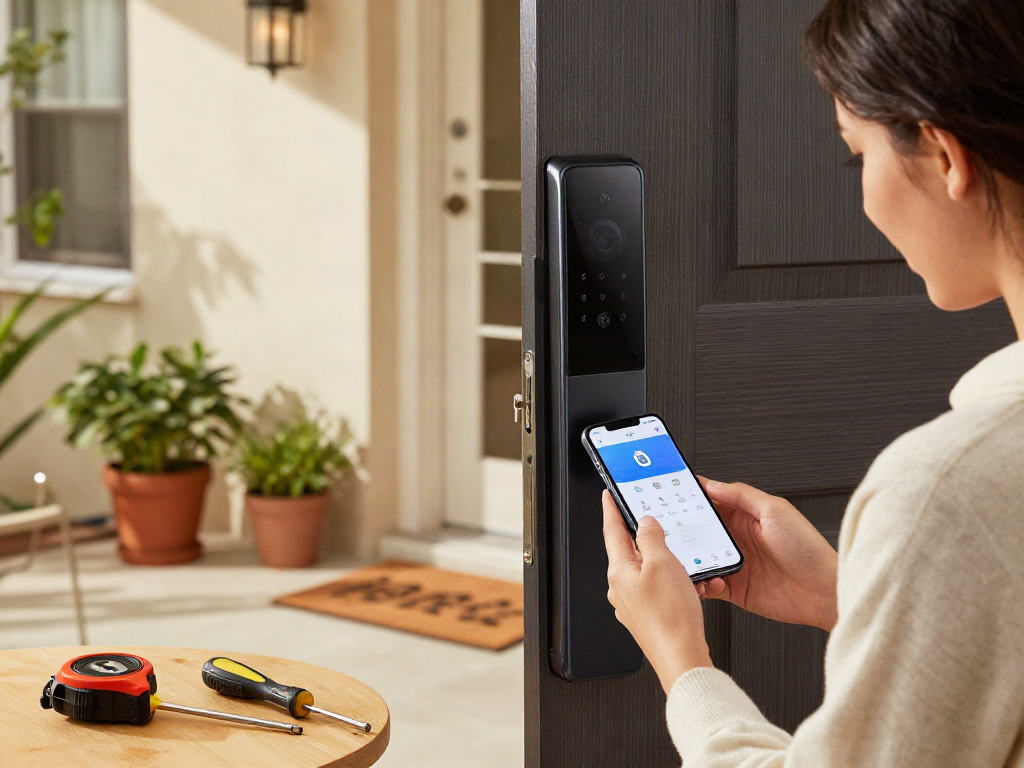
A smart lock is an electronic lock that utilizes modern technology to enhance security and convenience. Unlike traditional locks that rely solely on physical keys, smart locks can be operated using smartphone apps, biometric scanners, or keypad codes. This technology allows for keyless entry, remote locking and unlocking, and real-time access monitoring, making them an attractive option for modern homeowners.
Key Benefits of Smart Locks for Homeowners
- Convenience: Smart locks eliminate the need for physical keys, allowing for seamless entry with a smartphone or code.
- Remote Access: Homeowners can lock or unlock their doors from anywhere, providing peace of mind when away from home.
- Access Control: Smart locks allow users to set temporary access codes for guests or service personnel, enhancing security and flexibility.
- Integration with Smart Home Systems: Many smart locks can connect with other smart devices, such as security cameras and home automation systems, creating a cohesive security ecosystem.
Understanding Smart Lock Technology
Smart locks leverage various technologies, including Bluetooth, Wi-Fi, and Z-Wave, to facilitate communication and operation. The connection type determines how a user interacts with the lock. For instance, Bluetooth smart locks offer local control within proximity, while Wi-Fi locks allow remote access over the internet. Additionally, many smart locks feature backup key access, ensuring security remains intact even during technical failures.
Choosing the Right Smart Lock for Your Needs
Factors to Consider When Buying a Smart Lock
When selecting a smart lock, several essential factors should influence your decision:
- Lock Type: Decide between a deadbolt, lever, or smart padlock based on your security needs.
- Connectivity: Evaluate whether you prefer Bluetooth, Wi-Fi, or Z-Wave connectivity based on your smart home ecosystem.
- Interface: Consider how you would like to interact with the lock: via smartphone app, keypad, or biometric scanner.
- Battery Life: Review battery specifications and backup options to ensure continuous operation during outages.
Top Brands in the Smart Lock Market
Several brands have established themselves as leaders in the smart lock market, each offering unique features. Notable mentions include:
- August: Known for its retrofitting capabilities that convert existing deadbolts into smart locks.
- Schlage: Offers robust security features and extensive smart home compatibility.
- Yale: Provides a wide range of smart locks that cater to various consumer needs and preferences.
Features to Look for in a Quality Smart Lock
Identifying the right features is crucial for a reliable smart lock. Key features to consider include:
- Auto-locking: This feature ensures that the door locks automatically after it closes, minimizing the risk of human error.
- Voice Control: Compatibility with virtual assistants like Amazon Alexa or Google Assistant can enhance user experience.
- Activity Logs: Many smart locks provide detailed logs of who accessed the lock and when, providing an added layer of security.
- Weather Resistance: For exterior locks, ensure that they are designed to withstand various environmental conditions.
Installation and Setup of Smart Locks
How to Install Smart Locks Safely
Installing a smart lock can often be a straightforward process, but safety and security should always be a priority. It typically involves removing the existing lock and following manufacturer instructions. Before installation, ensure that you have all necessary tools, including a screwdriver and possibly a drill.
Common Installation Mistakes to Avoid
When installing a smart lock, avoid common pitfalls that could compromise security:
- Failing to read the instructions thoroughly, which may lead to improper installation.
- Neglecting to check the compatibility of the lock with your existing door.
- Overtightening screws, which can damage the lock mechanism.
Setting Up Your Smart Lock for Optimal Security
Once installed, configuring your smart lock correctly is essential. Ensure that you:
- Change default codes or passwords to unique options.
- Update firmware regularly to protect against vulnerabilities.
- Enable multi-factor authentication if supported, providing an additional layer of security.
Maintaining Your Smart Lock: Best Practices
Regular Maintenance Tips for Longevity
To extend the lifespan of your smart lock, consider incorporating regular maintenance practices:
- Clean the exterior regularly to prevent dirt accumulation around the keypad or sensors.
- Inspect the locking mechanism periodically for signs of wear or damage.
- Replace batteries according to the manufacturer’s guidelines, and opt for high-quality batteries for optimal performance.
Troubleshooting Common Smart Lock Issues
Smart locks may occasionally experience issues. Common problems include:
- Connectivity issues with smartphones; ensure the app is updated and Bluetooth is enabled.
- Battery failures; replace batteries promptly to avoid lock malfunctions.
- The lock not responding to input; try resetting the lock according to the manufacturer’s instructions.
Updating Software and Keeping Your Device Secure
Regular software updates are crucial to maintaining the security of your smart lock. Manufacturers frequently release updates to address vulnerabilities and enhance functionality. Enable automatic updates if available, and periodically check the app for any pending updates.
The Future of Smart Home Security in 2026 and Beyond
Emerging Trends in Home Security Technology
As we look toward 2026, several trends are shaping the future of smart home security. These include:
- Artificial Intelligence: AI-driven security systems will offer predictive analytics, enhancing the ability to detect potential threats.
- Increased Interoperability: Future smart locks will seamlessly integrate with a broader range of home automation devices.
- Advanced Biometric Systems: Expect smart locks to incorporate more sophisticated biometric options beyond fingerprints, such as facial recognition.
Predictions for Smart Lock Innovations
Innovations in smart locks are set to transform the landscape of home security. Key predictions include:
- More affordable options without sacrificing quality, making smart locks accessible to a wider audience.
- Enhanced AI capabilities for real-time threat detection and alerts.
- Noticeable improvements in battery technology, potentially leading to locks that can last for years without replacement.
How Smart Locks Fit into Home Automation Ecosystems
Smart locks will increasingly become an integral part of larger home automation systems. They will work alongside smart lights, cameras, and alarms, providing an interconnected approach to home security. For instance, a smart lock could trigger lights to turn on when someone enters, enhancing safety and comfort.
Frequently Asked Questions
What Should I Consider Before Buying a Smart Lock?
Before purchasing, evaluate the compatibility with your home’s existing security systems, the level of connectivity you desire, and your specific security needs.
Are Smart Locks Safe and Reliable?
When properly installed and maintained, smart locks are generally safe and reliable. However, always choose reputable brands that have a proven history of security and durability.
What Maintenance Do Smart Locks Require?
Regular cleaning, battery replacement, and software updates are essential for ensuring that your smart lock continues to perform optimally.
How Do Smart Locks Integrate with Other Smart Devices?
Smart locks connect with various devices through Wi-Fi, Z-Wave, or Bluetooth, allowing for coordinated home automation scenarios and secure access management.
What Features Make a Smart Lock Worth the Investment?
Look for features such as remote access, auto-locking, voice control capabilities, and robust security mechanisms to ensure you are making a worthwhile investment.