
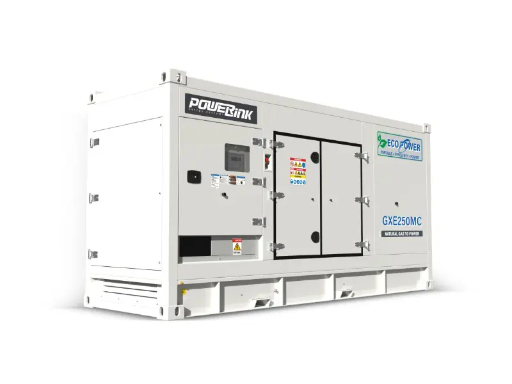
Modern businesses and industrial facilities are constantly searching for better ways to improve energy efficiency, reduce operating costs, and maintain reliable power supplies. Traditional energy systems often waste a significant amount of heat produced during electricity generation. Combined Heat and Power (CHP) provides a smarter approach by capturing and using this wasted heat for useful purposes.
CHP systems generate electricity and thermal energy at the same time from a single fuel source. By improving overall energy efficiency, CHP technology helps organizations achieve better performance while reducing energy waste. Many CHP solutions use a gas generator as the primary power source, making them an effective option for facilities that require both electricity and heating or cooling.
Understanding Combined Heat and Power Technology
Combined Heat and Power, also known as cogeneration, is an energy system designed to produce electricity and useful heat from one process. Instead of releasing excess heat into the environment, CHP systems recover it and use it for applications such as heating water, buildings, or industrial processes.
In a traditional power generation setup, much of the energy from fuel is lost as heat. CHP technology improves this process by utilizing more of the fuel’s energy output, creating a more efficient and sustainable energy solution.
How CHP Systems Work
A typical CHP system begins with a fuel source such as natural gas. The fuel powers an engine or turbine that generates electricity. During this process, heat produced by the equipment is captured through recovery systems.
The recovered heat can then be used for different facility needs, including:
- Space heating
- Hot water production
- Industrial processing
- Cooling systems through absorption chillers
This approach allows businesses to maximize energy use from a single fuel source.
The Role of Gas Generators in CHP Systems
Gas generators are an important component of many CHP installations. They provide the electrical output needed for facility operations while creating recoverable heat that supports additional energy requirements.
A properly designed gas generator system can help businesses achieve greater efficiency by combining electricity production with thermal energy recovery. This makes CHP especially valuable for facilities that have continuous power and heating demands.
Benefits of CHP for Businesses and Industries
Higher Energy Efficiency
One of the biggest advantages of CHP is improved efficiency. By using both electricity and heat from the same fuel source, facilities can reduce energy losses and make better use of available resources.
This improved performance helps organizations lower overall energy consumption and increase operational efficiency.
Reduced Energy Costs
Energy expenses are a major concern for many businesses. CHP systems can help reduce costs by generating power on-site and minimizing dependence on external electricity supplies.
With an efficient gas generator, facilities can manage their energy needs more effectively and achieve long-term savings.
Improved Reliability
Power interruptions can create serious problems for businesses. CHP systems provide a reliable energy solution by allowing facilities to produce their own electricity.
For industries that require continuous operations, this added energy security helps maintain productivity and reduce downtime.
Environmental Advantages
CHP technology supports cleaner energy management by improving fuel efficiency. When less fuel is needed to produce the same amount of useful energy, overall emissions can be reduced.
Natural gas-based CHP systems are often preferred because they provide efficient operation with lower environmental impact compared to some traditional fuel options.
Common Applications of CHP Systems
Combined Heat and Power solutions are used in various sectors, including:
- Manufacturing plants
- Hospitals and healthcare facilities
- Universities and campuses
- Commercial buildings
- Data centers
- Food processing facilities
- Industrial complexes
Facilities with continuous energy requirements benefit the most from CHP because they can use both electricity and recovered heat throughout the year.
Factors to Consider Before Installing CHP
Before implementing a CHP system, businesses should evaluate their energy consumption patterns, heating requirements, fuel availability, and facility operations.
A successful CHP project depends on proper system sizing and design. A solution that matches the facility’s needs can deliver maximum efficiency and financial benefits.
Professional planning also ensures that the gas generators and supporting equipment operate effectively for long-term performance.
The Future of Efficient Energy Generation
As organizations focus more on sustainability and cost reduction, CHP technology continues to gain importance. The ability to produce multiple forms of energy from one fuel source makes CHP a valuable solution for modern facilities.
With advancements in generator technology, gas-powered CHP systems are becoming more efficient, reliable, and adaptable to different industrial requirements.
Conclusion
Combined Heat and Power technology provides businesses with an efficient way to generate electricity and heat from a single energy source. By reducing waste and improving energy utilization, CHP systems support better cost control and reliable operations.
For facilities looking to improve energy efficiency, gas generators combined with CHP technology offer a practical solution that delivers dependable power, recovered heat, and long-term operational value.