A security robot can move through a site for hours, but movement alone doesn't make it useful. Its value will come from spotting the right event, sending a clear alert, and helping a person respond without adding more work.
Quick read
- Cameras and thermal sensors can give a robot more than one view of a site.
- A person still needs to check uncertain alerts and decide what happens next.
- The best fit is likely a site with repeatable patrol routes and known risks.
What security robots will actually do
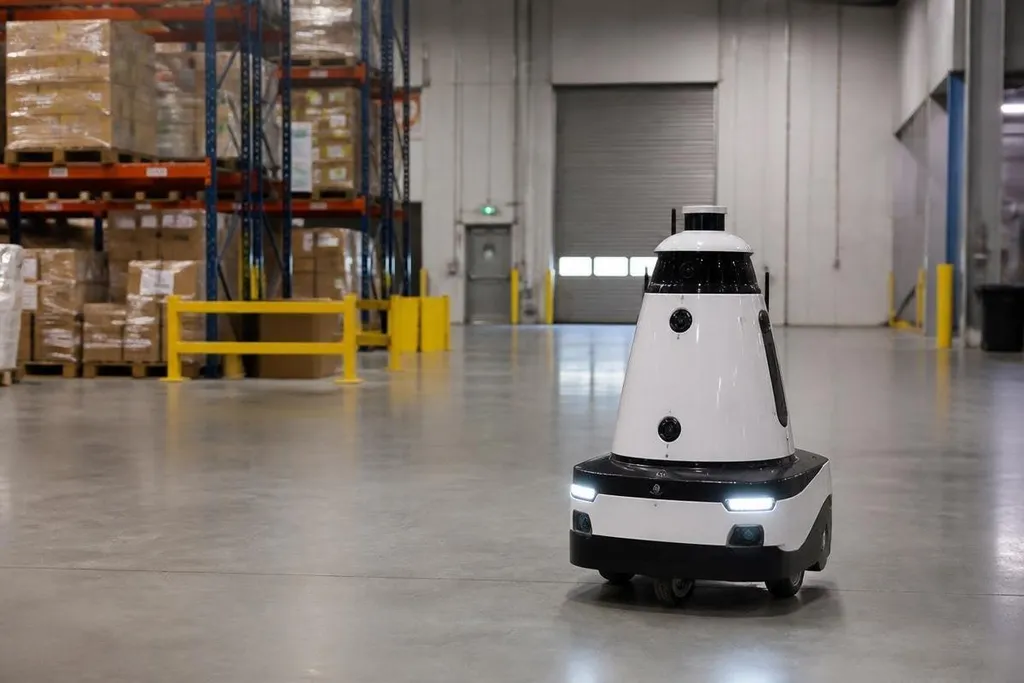
Future security robots will handle repeat patrol work in places such as warehouses, campuses, yards, and large buildings. A patrol robot can follow a mapped route, record video, check doors or gates, and send an alert when the scene differs from its normal pattern.
That work matters when the site is too large for regular foot patrols or when staff need to check the same area many times. A robot can return to a charging point, resume its route, and keep a record of what it saw. Those tasks are easier to measure than vague claims about smarter security.
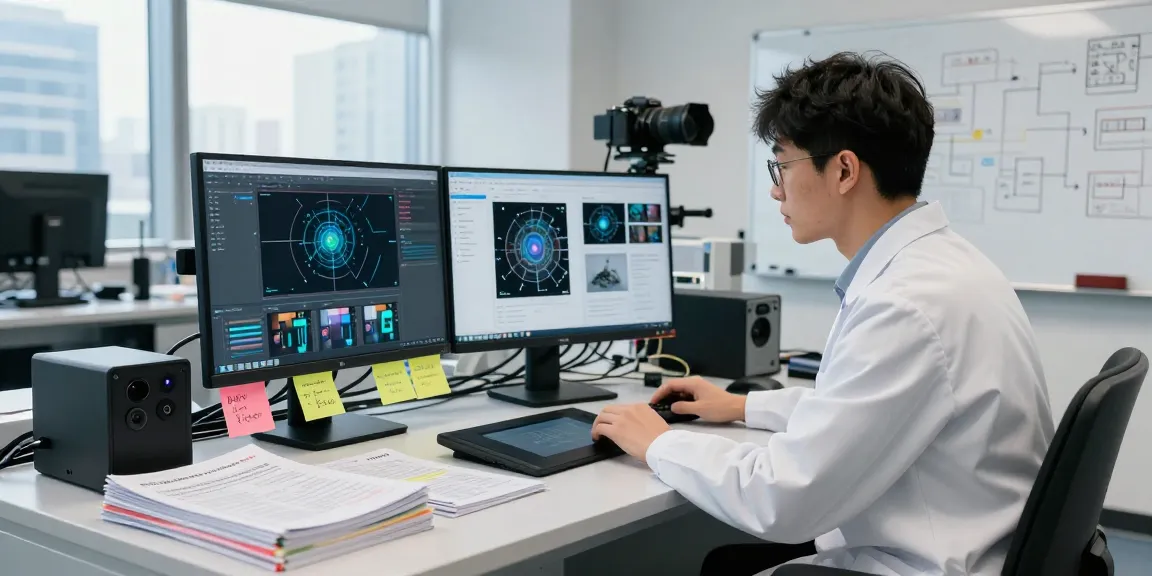
The robot's sensors will shape the quality of each alert. A visible-light camera can record a person or vehicle, while a thermal camera can show heat in poor light. Microphones may add sound, but noise from fans, trucks, weather, or machinery can make audio alerts harder to trust.
The system also needs a clear way to pass work to a person. An alert should show where the event happened, what the sensor saw, and why the robot flagged it.
A short video clip can help a guard decide whether to call a supervisor, speak through a two-way audio link, or send someone to the area.
Where autonomy stops
Security work has a high cost for false alerts. If a robot flags every shadow, open door, or passing worker, staff will spend their time clearing alerts instead of handling real incidents. The system needs site rules that match the place, the hours, and the people who use it.
That creates a limit for autonomous operation. A robot may detect a person in a restricted area, but it can't know the person's reason from an image alone. A worker may have permission, a delivery may be late, or an emergency may have changed the normal route.
Human review also matters for privacy. Cameras can record workers, visitors, license plates, and nearby public areas. A buyer needs clear rules for storage, access, deletion, and notice. The robot should record what the task needs, for no longer than the policy allows.
The privacy rules also point to a wider test: how a security robot behaves when the setting changes. Robot24.com robotics coverage can add named machines, sensors, and test details before the next section looks at the hard parts a demo leaves out.
The hard parts are outside the demo
A polished patrol video can show that a robot moves and sends video. It may not show what happens when a route is blocked, a sensor gets dirty, a network link drops, or a person walks close to the robot.
Those cases decide whether the system fits a working site. You need to know how the robot stops, who receives an alert, how it reports a fault, and how staff take control. A security team also needs a plan for charging, repairs, software updates, and lost network access.
Cost goes beyond the robot itself. The total purchase may include sensors, mapping, a control system, site setup, training, support, and replacement parts. A lower purchase price can lose its appeal if the robot needs frequent help from a technician.
A buyer's checklist
Before a trial, check these points with the supplier and the people who will use the system:
- Define the patrol: Write down the route, hours, access rules, and events the robot must report.
- Test poor conditions: Run the trial with low light, blocked paths, noise, weather, and a weak network connection.
- Measure alerts: Count useful alerts and false alerts separately, then ask who reviews each one.
- Check human control: Confirm how a guard stops the robot, speaks through it, changes its route, and takes control.
- Set data rules: Record where video goes, who can view it, how long it stays, and when it gets deleted.
- Price the whole system: Include setup, support, charging, repairs, software, and staff time.
I'd skip any security robot that cannot show its failure procedure as clearly as its patrol route.
The next useful test is not a longer demo. It is a full shift on the target site, with the alert count, response time, faults, and repair work written down.