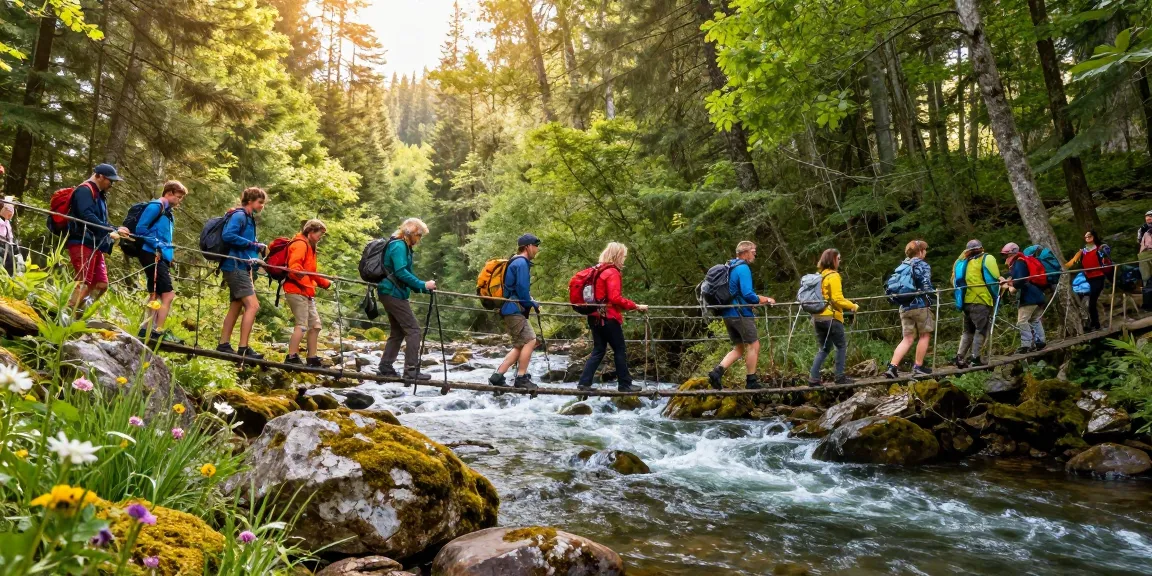
Understanding River Rope Bridges
River rope bridges have captured the imagination of adventurers and builders alike, serving as remarkable feats of engineering that blend functionality with aesthetic appeal. These structures provide safe passage across rivers, often in locations where traditional means of transportation are impractical. With increasing interest in outdoor activities and eco-friendly construction, understanding the nuances of these bridges is more important than ever. When exploring options, River Rope Bridge designs can offer valuable insights into their safety, durability, and environmental compatibility.
What is a River Rope Bridge?
A river rope bridge is a type of suspension bridge that uses ropes and cables to create a walkway suspended above the water. These bridges are often constructed with a sturdy, flexible design allowing for both movement and stability. They are typically built to connect two points over a river or gorge, making them vital in remote areas where conventional bridge construction may be unfeasible. The primary materials used in these structures include high-tensile strength ropes, wooden planks, and metal fixtures to secure the bridge safely.
History and Evolution of Rope Bridges
The history of rope bridges dates back thousands of years, with ancient civilizations recognising their utility in navigating difficult terrains. The Incan civilization, for example, famously utilised grass rope bridges made from local plant materials, enabling the transport of goods and people across their rugged landscapes. Over time, innovations in materials and design have evolved these bridges into safer and more durable structures, suitable for both pedestrian and vehicular traffic. Modern river rope bridges now incorporate advanced engineering techniques and synthetic materials, ensuring enhanced strength and longevity.
Common Uses and Applications
- Recreational Access: River rope bridges are often employed in parks and nature reserves, allowing hikers and outdoor enthusiasts to access trails on either side of a river.
- Emergency Services: In regions prone to flooding or natural disasters, these bridges can provide crucial access for rescue operations.
- Cultural Significance: Some rope bridges, like the Qeswachaka in Peru, have cultural significance and are maintained by local communities as part of their heritage.
- Tourism: Scenic rope bridges attract tourists, providing unique views and enhancing the visitor experience in natural parks.
Design and Construction of River Rope Bridges
Building a river rope bridge requires meticulous planning and execution. The design phase is critical as it determines the bridge's structural integrity and usability. To ensure a lasting construction, several considerations must be addressed.
Essential Materials for Building a River Rope Bridge
Choosing the right materials is fundamental for constructing a safe and durable river rope bridge. Common materials include:
- High-Strength Synthetic Ropes: These are preferred for their resilience and longevity compared to natural materials.
- Wooden Beams: Often used for the walkway; they must be treated to withstand weather conditions.
- Metal Fixtures: These components are crucial for anchoring the ropes and ensuring the structure's stability.
- Protective Coatings: Essential for protecting wooden and metal components from environmental damage.
Step-by-Step Guide to Designing Your Own Bridge
- Site Assessment: Conduct a thorough evaluation of the location to ensure suitability for construction.
- Design Planning: Draft a comprehensive design plan that includes measurements, materials, and structural calculations.
- Gather Materials: Collect all necessary materials, ensuring they meet safety standards.
- Construction: Start building from one side, securing all components as specified in the design plan.
- Testing: Before opening the bridge for public use, conduct load tests to assess its stability and safety.
Best Practices for Safety and Durability
To maximise the lifespan and safety of a river rope bridge, adhere to the following best practices:
- Regular Maintenance: Schedule inspections to check for wear and tear on ropes and structural components.
- Community Engagement: Involve local communities in both the construction and maintenance processes to foster a sense of ownership.
- Compliance with Regulations: Always adhere to local building codes and safety regulations.
Maintenance and Inspection of River Rope Bridges
Once a river rope bridge is completed, ongoing maintenance is vital to ensure its safety and usability. Regular inspections help identify potential issues before they escalate into major problems.
Signs of Wear and When to Conduct Inspections
Inspect your rope bridge at least twice a year or after severe weather events. Look for:
- Frayed or worn ropes
- Loose components
- Signs of corrosion on metal fixtures
- Cracks or rot in wooden beams
Routine Maintenance Tips for Longevity
Implement routine maintenance tasks, such as:
- Cleaning the bridge to prevent build-up of debris and wildlife.
- Applying protective sealants to wooden components annually.
- Regularly checking and tightening metal fasteners.
Common Repair Techniques for Rope Bridges
If issues are found during inspections, immediate repairs must be undertaken. Common repair techniques include:
- Replacing frayed ropes with new, high-strength materials.
- Reinforcing loose joints with additional fixtures or anchoring.
- Replacing wooden planks that show signs of rot or excessive wear.
Case Studies: Successful River Rope Bridge Projects
Examining successful river rope bridge projects offers insights into best practices and potential challenges. Here are some notable examples.
Notable Examples of River Rope Bridges Worldwide
One of the most famous examples is the Carrick-a-Rede Rope Bridge in Northern Ireland, which spans 20 metres over a chasm. A well-engineered structure, it attracts thousands of visitors each year. Another example is the Qeswachaka Bridge in Peru, an Incan masterpiece that has been reconstructed through community efforts every year, maintaining traditional building methods.
Community Benefits of Installing Rope Bridges
Rope bridges can significantly improve local communities by facilitating access to remote areas for education, healthcare, and commerce. They also promote tourism, enhancing local economies.
Lessons Learned from Bridge Construction Projects
Key takeaways from successful projects include the importance of community involvement, thorough planning, and ongoing maintenance for sustainability. Lessons on material selection and adherence to safety standards are also crucial for future projects.
Future Trends in River Rope Bridge Design and Use
The future of river rope bridges is poised for innovation, driven by advancements in materials and sustainability practices. As environmental concerns grow, these trends will profoundly impact bridge design and application.
Innovative Materials and Technologies for 2026
As we move into 2026, expect to see the use of environmentally friendly materials, such as biodegradable ropes and recycled composites, becoming more commonplace. Smart technology integration could also enhance safety through sensors that monitor structural integrity in real time.
The Role of Eco-Friendliness in Bridge Design
Eco-friendly design will play a significant role in future bridge projects, with an emphasis on minimising ecological footprints and promoting biodiversity in construction areas. The use of local materials and environmentally sensitive construction practices will likely become industry standards.
Predictions for River Rope Bridges in Outdoor Adventure Tourism
With the rise of adventure tourism, river rope bridges are expected to become more popular, not only as functional crossings but as attractions themselves. Future designs may incorporate unique aesthetic elements, transforming ordinary crossings into scenic experiences that draw visitors and adventure seekers alike.
What are the key features of a River Rope Bridge?
Key features include high-tensile strength ropes, a secure anchoring system, and a robust wooden or composite walkway designed for safety and durability.
How much does it cost to build a River Rope Bridge?
The cost of constructing a river rope bridge varies significantly based on size, materials, and location, ranging from a few thousand to tens of thousands of pounds.
Where can I find River Rope Bridge kits?
Several suppliers offer DIY kits for building rope bridges, often including all the necessary materials and instructions for safe construction.
What safety measures are necessary for River Rope Bridges?
Essential safety measures include regular inspections, proper anchoring, weight limitations, and ensuring that users are aware of safe crossing practices.
How to choose the right location for a River Rope Bridge?
Factors to consider include assessing the river’s flow, the distance between anchor points, and the surrounding environment to ensure minimal disruption to the ecosystem.